I remember when I was at university, nightlife was and continues to be a characteristic aspect of student life. From the excitement of Freshers’ Week to weekly pub trips, sports nights, and clubbing, students tend to live a significant portion of their university lives through the context of going out.
In Greater Manchester, and specifically the University of Manchester, which in 2016 was ranked 6th best for nightlife in the UK, the nightlife economy is a significant part of both student life and the local economy, which many students participate in and eagerly anticipate each week1. However, behind the fun and enjoyment is a shockingly sad reality: where harassment, intimidation and violence target young women, LGBTQ+ students and racially marginalised groups. For example, in 2024, a man was arrested for following women around and filming them without their consent in Manchester City Centre2. This case is one of many examples of the reality of what many women face daily.
An ongoing study by Safecity found that women and sexually marginalised people rated the city as less safe compared to their similar counterparts. The findings also showed that harassment (unwanted comments, staring, touching and stalking) of 18-25 year olds, particularly women, occurred mainly between 1-4 am when people are going to and from nightlife venues.
Sadly, only 4% of the people surveyed reported taking their cases to the police, whilst the other 96% said that they “lacked trust in the police” or believed it would be “useless to report it”. This silence reflects a culture where harassment is normalised to the point that victims are left without support or protection.

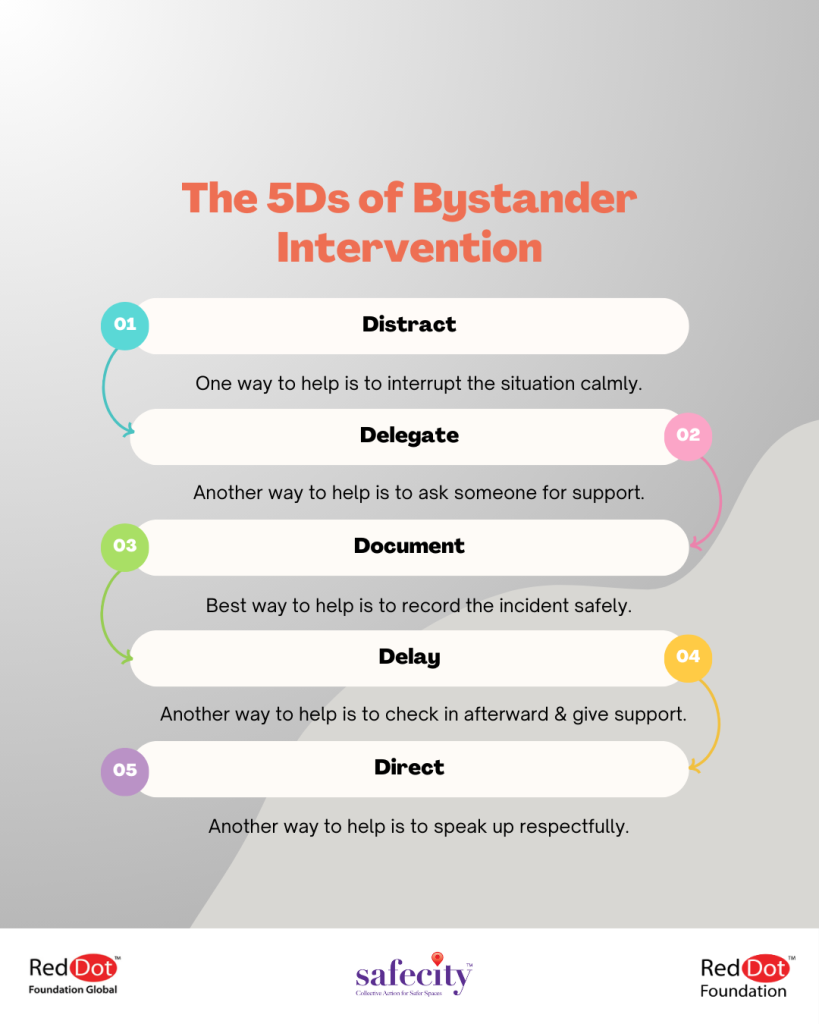
The truth is that the current nightlife culture can lead to, normalise, or even conceal harmful behaviours through banter culture, peer pressure or bystander silence because they don’t wish to make things awkward. Many young people go on to accept these experiences as simply part of a night out. The result is an environment where enjoyment and safety conflict. Greater Manchester recognises this issue of bystander silence and, according to their latest safety audit, is working to build on preventative education in schools and universities so that both staff and students have the training to keep others and themselves safe.
We, at Safecity, believe that student traditions and nightlife itself can be used to challenge and prevent these patterns. Rather than accepting unsafe norms, universities, student unions, and groups can help to change nightlife traditions to put safety, consent and collective responsibility at the centre. For example, sports nights (a weekly Wednesday night tradition of sports societies going out to a pub or club) are one of the most iconic and busiest events in student life. However, imagine if every sports society partnered with Safecity to include consent training and messages in their event planning and advertising. Or imagine if all society wellbeing officers were trained in nightlife safety, and could make these club nights out safer for young people. These small changes would help shift nightlife culture to centre safety for young people so that they don’t have to sacrifice their safety for enjoyment.
Nightlife is meant to be a fun and exciting way to spend time with friends. When students attend sports nights, pub trips and house parties, they’re living and enjoying their student experience. By embedding micro-campaigns, safety initiatives, and bystander empowerment into these traditions and events, Greater Manchester can make the streets safe again by raising awareness and making it easier to recognise behaviours, because you shouldn’t have to risk your safety to have fun; the two should be hand in hand.
Ready to Make Greater Manchester Safer?
Real change happens when people come together. Whether you’re sharing your experience or urging others to speak up, your participation is critical to creating a safer, more inclusive community.
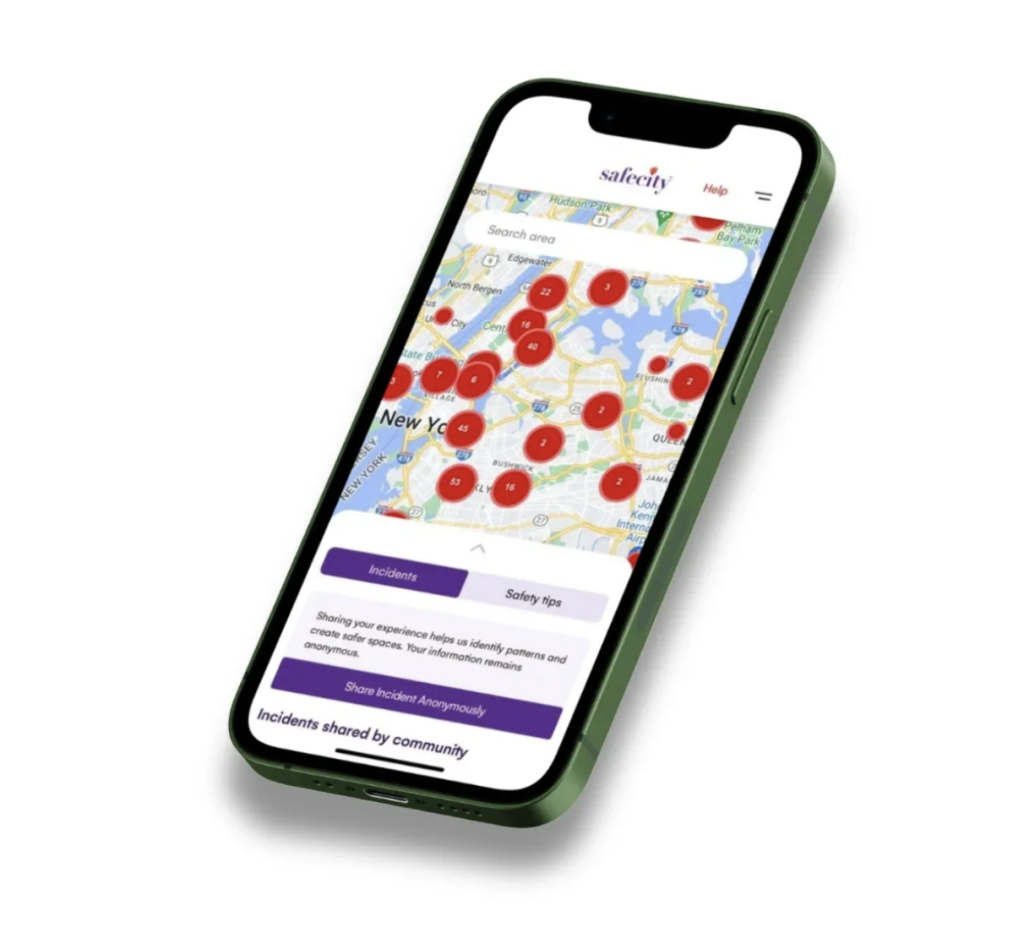
Download the SafecityApp to:
- Anonymously report incidents
- Connect with nearby support services
- Access safety tips and legal resources