

Author: Maya Brown, Student of King’s College London, Graduated in 2025
In March 2025, Adolescence, a British psychological crime drama series, premiered on Netflix. The show centred around a young boy, Jamie, who is arrested for the murder of his female classmate.
This show sparked a conversation around the ‘manosphere’, which is a collection of online spaces that promote masculinity, misogyny, and oppose feminism. The show has been praised for shining a light on how misogyny spreads and indoctrinates children, specifically naming Andrew Tate as one of the instigators. Amnesty International reported that in 2025, “an overwhelming 73% of Gen Z social media users have witnessed misogynistic content online, with half encountering it on a weekly basis”1
In politics and the media, the show has been regarded as a remarkable piece of work, raising awareness about gender-based violence against women. The show leaves us with a message about internet safety and the importance of protecting young people.
In the UK, there exists a culture around misogyny, and this takes many forms—for example, unconscious biases, cultural stereotypes, public harassment, intimate partner violence, etc. In a shockingly normal town with normal people living normal lives, we see how it could’ve been any child that ended up like Jamie, indoctrinated by the misogynistic media he consumed. We all knew or were the grumpy adolescents who spent hours locked away in their room on the computer. Culturally, ‘Adolescence’ is about the shocking influence of social media, toxic masculinity and online misogyny. This is the reality our youth are growing up with. In an ongoing research project led by Safecity exploring patterns of gender based violence and unsafety in Greater Manchester through social audits, the data shows how widespread harassment and gender-based violence truly are, predominately towards women aged 18-25 years olds, bisexual or lesbian women and ethnic minorities. The data further highlights how patterns in where and at what time harassment is experienced demonstrate the very issues the show portrays.
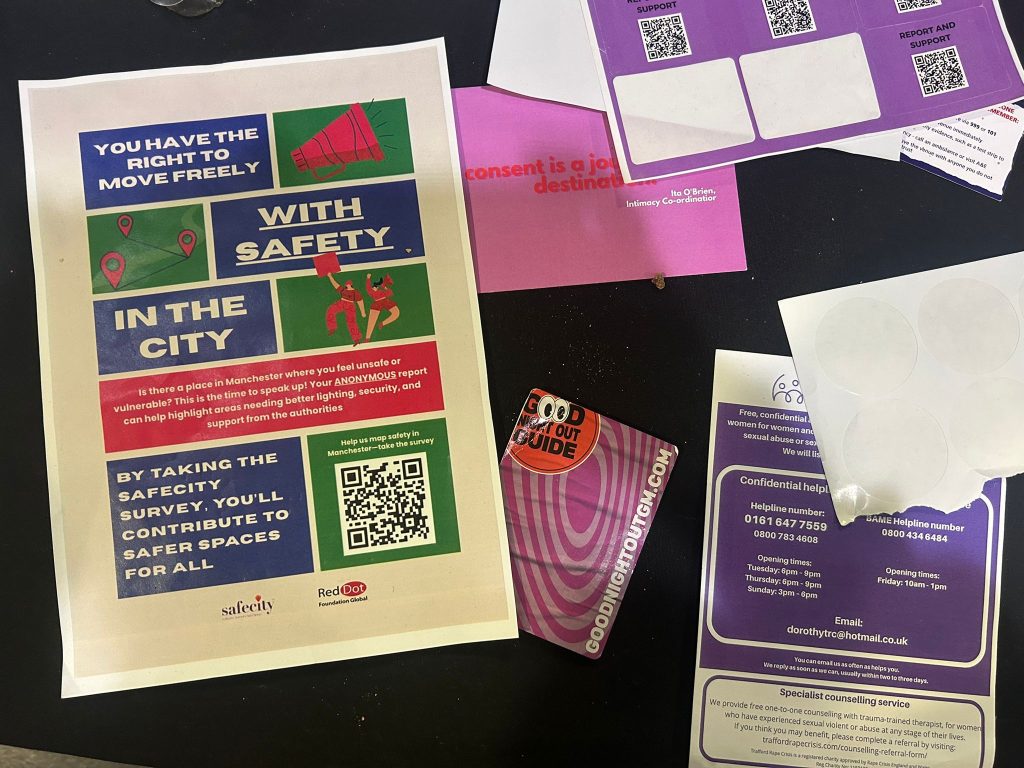
Steps can be taken in and around Greater Manchester to make it safer for women. Having better lighting and CCTV in public spaces or regular transport services will mean that people aren’t waiting for a long time at a dimly lit bus stop. Safecity’s location-based map visualisation is a helpful tool for both individuals, city planners in Greater Manchester and communities to identify high-risk harassment areas. This can lead to tangible changes such as improved surveillance or better street lighting. However, these are all big changes. Individual changes are just as important.

For example, sharing your location with a friend, travelling home together, staying on main roads rather than taking dark side streets, are all easy steps that women can take to feel safer in public. This conversation, however, must also include the whole population, not just women. We must educate our youth on gender equality, healthy relationships with women, online safety, and encourage them to spend time offline and in person, forming real connections. This will help us all feel safer online and in person and work towards building a safer, more inclusive community.
The show is a plea for change, for children, for parents, for adults. If you are passionate about this cause then please help Safecity conduct a safety audit by reporting a sexual and gender based violence incident anonymously. Your data is your story, and we are listening.
Ready to Make Greater Manchester Safer?
Real change happens when people come together. Whether you’re sharing your experience or urging others to speak up, your participation is critical to creating a safer, more inclusive community.
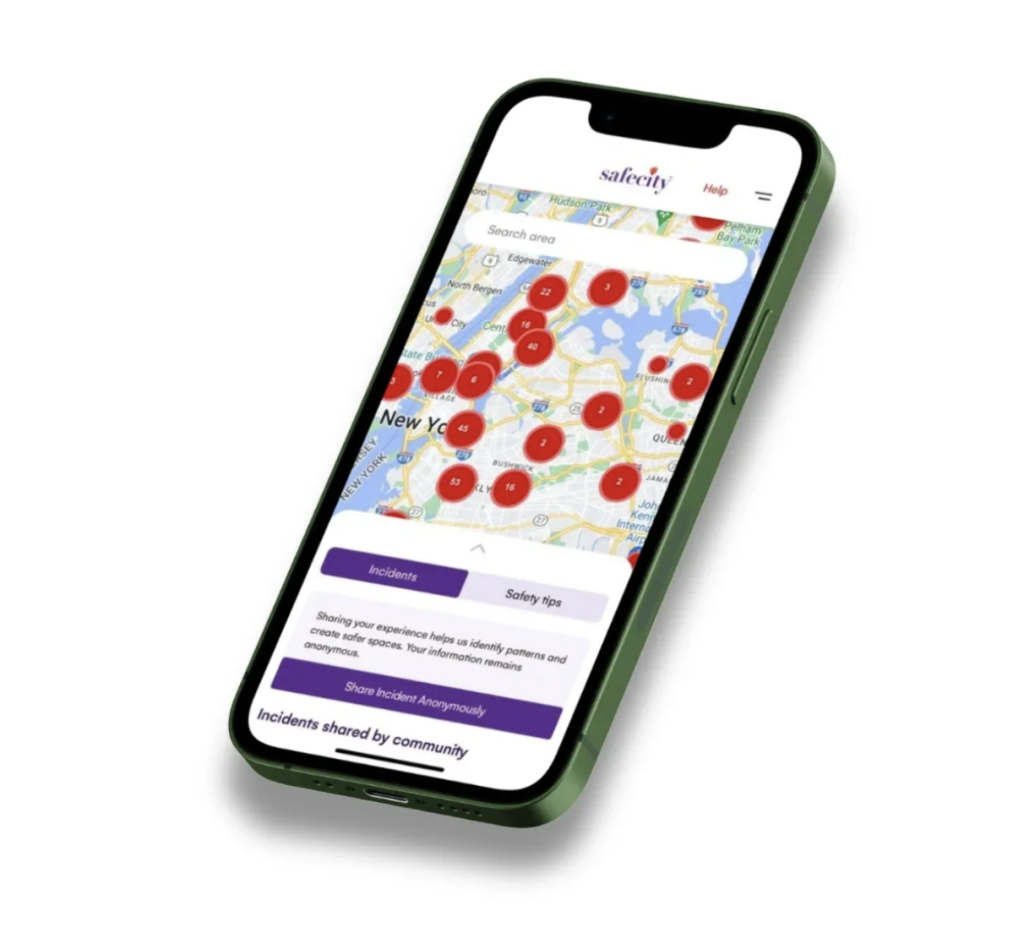
Download the SafecityApp to:
- Anonymously report incidents
- Connect with nearby support services
- Access safety tips and legal resources
- Amnesty International UK, “Toxic Tech: New Polling Exposes Widespread Online Misogyny Driving Gen Z Away from Social Media,” AmnestyUK, March 21, 2025, https://www.amnesty.org.uk/press-releases/toxic-tech-new-polling-exposes-widespread-online-misogyny-driving-gen-z-away-social. ↩︎