Category: Understanding Violence in Public Spaces

  • Rethinking Nightlife: Building a Safer Culture for Students in Greater Manchester

    Rethinking Nightlife: Building a Safer Culture for Students in Greater Manchester

    I remember when I was at university, nightlife was and continues to be a characteristic aspect of student life. From the excitement of Freshers’ Week to weekly pub trips, sports nights, and clubbing, students tend to live a significant portion of their university lives through the context of going out.

    In Greater Manchester, and specifically the University of Manchester, which in 2016 was ranked 6th best for nightlife in the UK, the nightlife economy is a significant part of both student life and the local economy, which many students participate in and eagerly anticipate each week1. However, behind the fun and enjoyment is a shockingly sad reality: where harassment, intimidation and violence target young women, LGBTQ+ students and racially marginalised groups. For example, in 2024, a man was arrested for following women around and filming them without their consent in Manchester City Centre2. This case is one of many examples of the reality of what many women face daily.

    An ongoing study by Safecity found that women and sexually marginalised people rated the city as less safe compared to their similar counterparts. The findings also showed that harassment (unwanted comments, staring, touching and stalking) of 18-25 year olds, particularly women, occurred mainly between 1-4 am when people are going to and from nightlife venues. 

    Sadly, only 4% of the people surveyed reported taking their cases to the police, whilst the other 96% said that they “lacked trust in the police” or believed it would be “useless to report it”. This silence reflects a culture where harassment is normalised to the point that victims are left without support or protection.
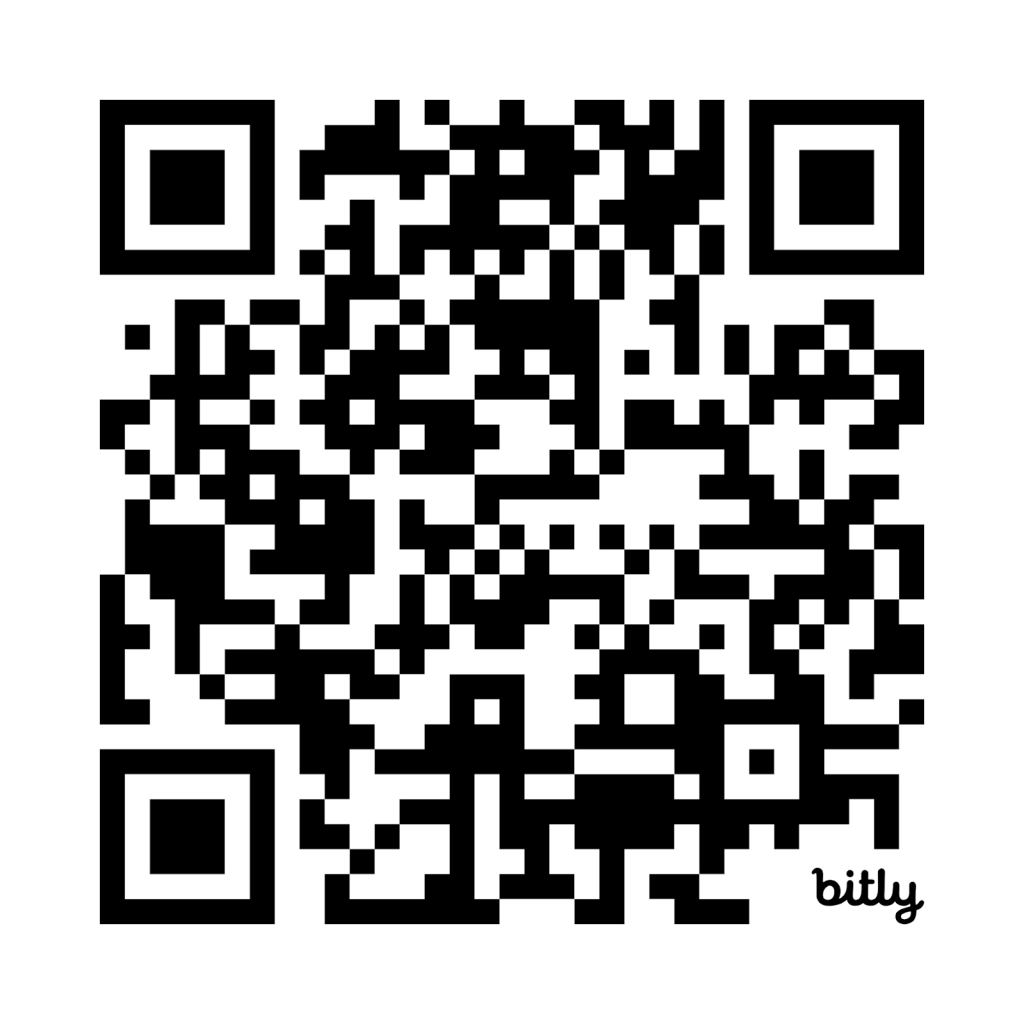
    Hey! If you liked what you are reading and wants to participate in the research, please feel free to scan the QR that takes you to our survey! Please note that this is an anonymous survey!

    The truth is that the current nightlife culture can lead to, normalise, or even conceal harmful behaviours through banter culture, peer pressure or bystander silence because they don’t wish to make things awkward. Many young people go on to accept these experiences as simply part of a night out. The result is an environment where enjoyment and safety conflict. Greater Manchester recognises this issue of bystander silence and, according to their latest safety audit, is working to build on preventative education in schools and universities so that both staff and students have the training to keep others and themselves safe. 

    We, at Safecity, believe that student traditions and nightlife itself can be used to challenge and prevent these patterns. Rather than accepting unsafe norms, universities, student unions, and groups can help to change nightlife traditions to put safety, consent and collective responsibility at the centre. For example, sports nights (a weekly Wednesday night tradition of sports societies going out to a pub or club) are one of the most iconic and busiest events in student life. However, imagine if every sports society partnered with Safecity to include consent training and messages in their event planning and advertising. Or imagine if all society wellbeing officers were trained in nightlife safety, and could make these club nights out safer for young people. These small changes would help shift nightlife culture to centre safety for young people so that they don’t have to sacrifice their safety for enjoyment. 

    Nightlife is meant to be a fun and exciting way to spend time with friends. When students attend sports nights, pub trips and house parties, they’re living and enjoying their student experience. By embedding micro-campaigns, safety initiatives, and bystander empowerment into these traditions and events, Greater Manchester can make the streets safe again by raising awareness and making it easier to recognise behaviours, because you shouldn’t have to risk your safety to have fun; the two should be hand in hand.


    Ready to Make Greater Manchester Safer?
    Real change happens when people come together. Whether you’re sharing your experience or urging others to speak up, your participation is critical to creating a safer, more inclusive community.
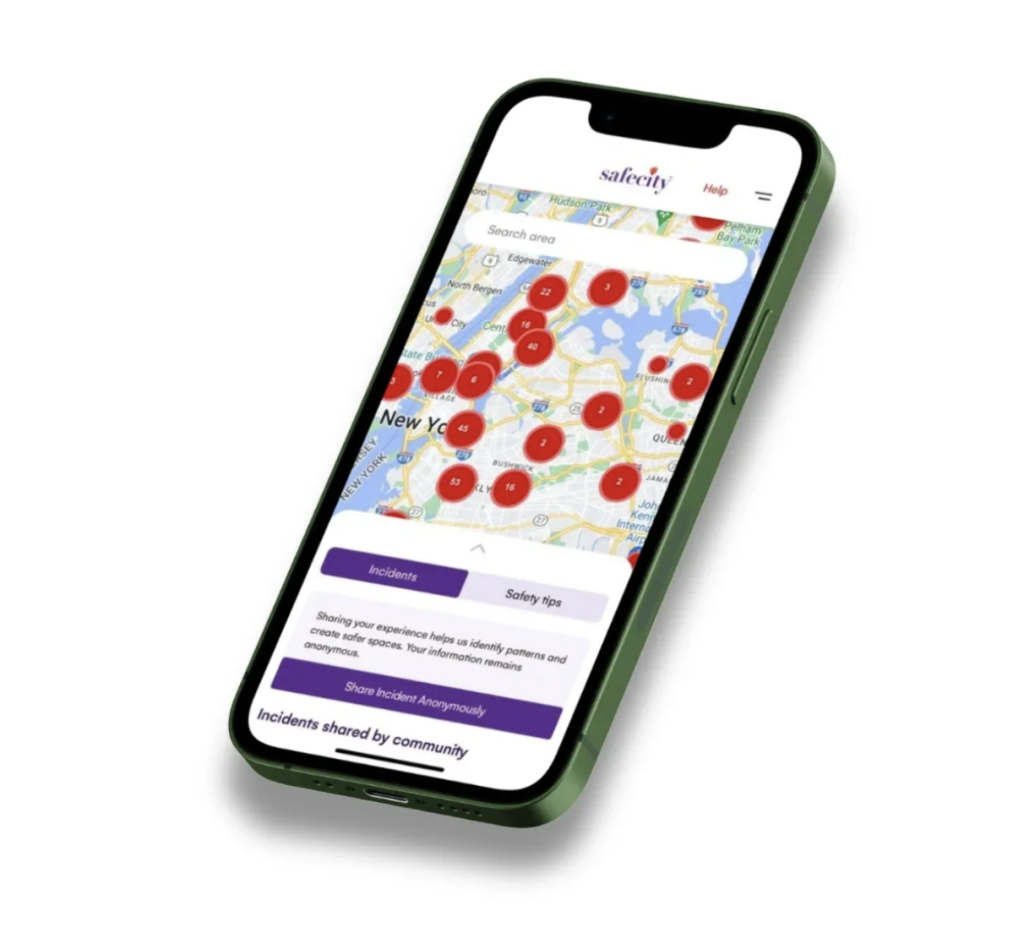
    Download the SafecityApp to:

    • Anonymously report incidents
    • Connect with nearby support services
    • Access safety tips and legal resources
  • Bystanders Action for Better Commutes

    Bystanders Action for Better Commutes

    Author: Maya Brown, Student of King’s College London, Graduated in 2025

    As a student, I often used public transportation to reach classes and social events. But as I started working, I realised that I am still quite dependent on the public transportation system – I wonder how many readers are just like me, who start and end their days with the help of a train or a bus. This is the case in Greater Manchester, where 64% of young people use public transport every week1

    However, in an ongoing study by Safecity, exploring patterns of gender based violence and unsafety in Greater Manchester through anonymous safety audits, the data revealed that 77% of respondents who used the bus as their primary form of transportation reported feeling unsafe. This is due to a variety of reasons, such as poorly lit bus stops, harassment, and transport delays. In 2019, the BBC reported that a man made lewd comments and sexual gestures to a 26-year-old woman on her way back home. He also threatened a passenger who tried to intervene in the situation2 .This is the shocking reality that many young women face daily as they simply try to go about their day.

    Hey! If you liked what you are reading and wants to participate in the research, please feel free to scan the QR that takes you to our survey! Please note that this is an anonymous survey!

    These experiences shape women’s experience of public transport. We all want to feel safe in public and on transportation, and we all have a right to do so. At Safecity, this can be achieved through crowdsourced anonymous reporting that creates a location-based safety map. This visualisation of incidents on the ground through data can help transport users be aware of high-risk routes and areas when planning their journey. This reliable approach allows for data-informed and evidence-based targeted interventions.

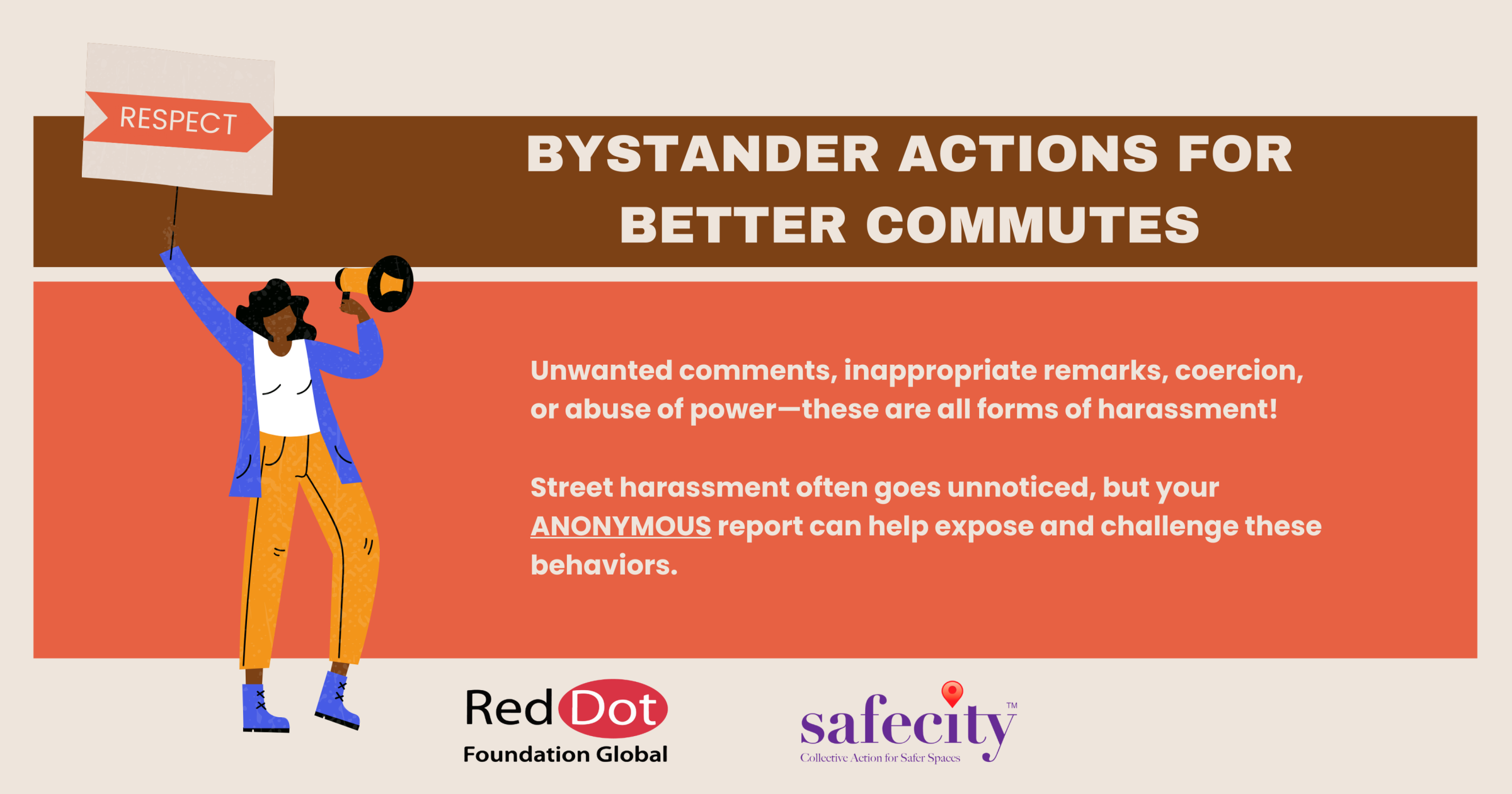
    Bystander intervention is a proven way of reducing incidents of harassment in places by intimidating the harasser and giving witnesses the ability to act and intervene. This helps create a culture of intolerance towards harassment and gender based violence. Through interventions, bystanders can empower and protect victims whilst holding harassers accountable for their actions. Women should not have to be scared to use public transport, and together we can help make our journeys safer. 

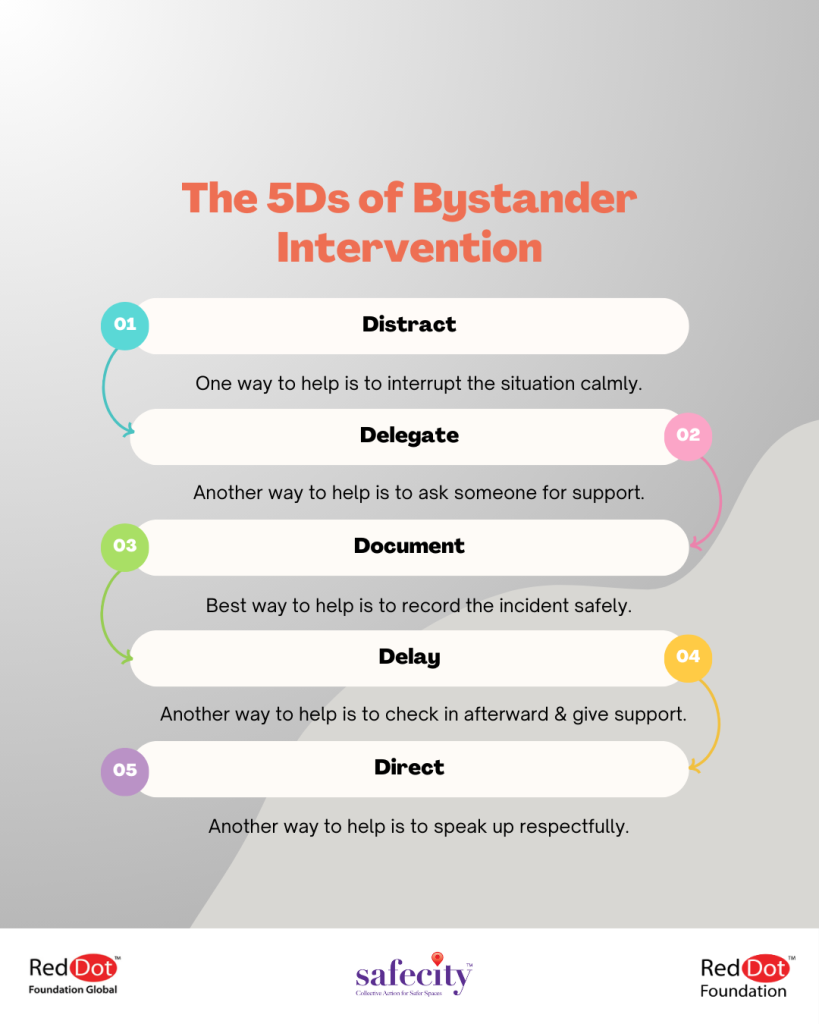
    Transport for Greater Manchester is actively introducing targeted measures, such as an emergency contact system that allows public transport passengers to discreetly alert police if they feel unsafe or witness someone else in danger. The Safecity model believes that citizens can also be champions of change. Mancunions who take public transport can take an active role in making public transport safer for everyone through bystander intervention. It’s as simple as the 5 D’s (Direct, Distract, Delegate, Delay, and Document) developed by the Right to be organisation3

    These 5 D’s of bystander intervention can be used on public transport as a way for citizens to counteract harassment in public places. Direct is to speak up against the behaviour or support the person being targeted (e.g., asking if they’d like to switch seats). Distracting is to interrupt the situation without confrontation, such as asking the person for directions or starting a casual conversation. The delegate is to seek help from a driver, conductor, station staff, or other passenger.  Delay is to check in with the person afterwards to see if they’re okay and offer support. And lastly, Document is to record the incident to share with authorities if needed. These small steps that people can take daily can be part of a big change.

    So, next time you’re on public transport, look around and see what you can do to help make your journey a little bit safer. But remember, we have to be careful and safe first to help someone.


    Ready to Make Greater Manchester Safer?
    Real change happens when people come together. Whether you’re sharing your experience or urging others to speak up, your participation is critical to creating a safer, more inclusive community.

    Download the SafecityApp to:

    • Anonymously report incidents
    • Connect with nearby support services
    • Access safety tips and legal resources
    1. “Greater Manchester Metrolink: Public Transport Abuse ‘All Too Common,’ ” BBC News, May 15, 2019, https://www.bbc.co.uk/news/uk-england-manchester-48278874. ↩︎
    2. “Greater Manchester Metrolink: Public Transport Abuse ‘All Too Common,’ ” BBC News, May 15, 2019, https://www.bbc.co.uk/news/uk-england-manchester-48278874.
      ↩︎
    3.  Right To Be, “The 5Ds of Bystander Intervention,” Right To Be, 2022, https://righttobe.org/guides/bystander-intervention-training/.
      ↩︎
  • Creating Safer Cities: How the Greater Manchester Police is Using Safecity Data to Help End Gender-Based Violence

    When it comes to gender-based violence (GBV), the places we move through every day—our streets, buses, parks, and campuses—can have a significant impact on our views of safety. And for many students, these public spaces are not always as safe as they should. 

    Led by Red Dot Foundation Global in partnership with Greater Manchester Police, Greater Manchester Victim Services, and Resist Rape Culture at UMSU, this initiative is focused on understanding and addressing gendered violence by combining data, community voices, and institutional change. In this blog, we’ll explore:

    • Why Public Safety is important in conversations about GBV. 
    • How the Safer Cities Project is using community voices to drive change. 
    • Why your experience matters & how you can be part of the solution.

    Why Public Safety Is a Gender Issue
    For many people, the risk of harassment or assault extends outside their homes and workplaces. It’s in ordinary, everyday places they travel through: a dark road after class, a busy bus station, or a walk home from a friend’s. 

    Gender-based violence (GBV) in public places often goes unreported, and when it does get noticed, it’s not always taken seriously. That lack of visibility can leave the person feeling unheard, allowing damaging patterns to continue. That’s why it is not only important to raise awareness about GBV, but also to actively track where it happens, who it affects, and how communities can prevent it from happening in the future.

    What Is this Initiative About?
    The Safer Cities Project aims to study gender-based violence patterns in Greater Manchester’s public areas, particularly among student communities. Through social audits and anonymous crowdsourced data, we are identifying areas where people feel unsafe and fostering community conversations about trust, access, and protection.

    The key goals?

    • Understand the patterns of harassment, assault, and underreporting.
    • Identify areas where public safety is an issue.
    • Increase transparency and trust between local communities and the police.
    • Use data to support evidence-based policing and community-driven solutions.

    This is more than just mapping crime; it is about promoting change through awareness, accountability, and action.

    What Makes This Approach Different?
    Traditional responses to GBV are often seen after the incident has occurred. However, the safer cities project is taking a different approach, emphasizing prevention, engagement, and collaboration. By involving students, local residents, and institutions in a meaningful way, this approach is helping people actively develop solutions rather than simply reporting harassment.

    It’s also worth mentioning that crowdsourced data—such as polls and community reports—can be extremely powerful. It contributes to a more accurate depiction of the realities that people confront on the ground, beyond official statistics.


    Why Your Voice Matters?
    If you’re a student, a resident, or just passing through Greater Manchester, your experiences count. Whether you’ve felt uncomfortable walking home, been harassed on public transportation, or simply seen an area with insufficient lighting or security, your observations can help protect others.

    Every story shared helps us get closer to:

    • Understanding which spaces require change. 
    • Assisting law enforcement to make better, more informed decisions.
    • Creating cities where everyone, regardless of gender, can feel safe.

    How You Can Help Create Safer Cities?
    We’re all part of this city. And everyone has a role to play in making it safer. Here’s how you can get involved:

    1. Take the Survey: Share your experience to help build a body of facts that can guide real-world action.
    2. Spread the Word: Inform your peers, classmates, and neighbors about the project, especially those who may feel unheard.
    3. Engage with Local Initiatives: Look for student clubs or community events that promote gender equality and safety.

    Also, please take a moment to learn more about our project partners, such as Greater Manchester Police and Victim Services, who are actively trying to bridge the gap between the public and institutions.


    Ready to Make Greater Manchester Safer?
    Real change happens when people come together. Whether you’re sharing your experience or urging others to speak up, your participation is critical to creating a safer, more inclusive community.

    Download the SafecityApp to:

    • Anonymously report incidents
    • Connect with nearby support services
    • Access safety tips and legal resources